SAFETY DATA SHEET
1. Identification
|
Product
number
|
SO32A
|
|
Product
identifier
|
18 OZ MR. KWIK LB
12PK
|
|
Company
information
|
K-CHEM INC.
|
|
|
P. O. Box 530632
|
|
|
BIRMINGHAM, AL 35253
United States
|
|
Company
phone
|
General Assistance
205-592-0844
|
|
Emergency
telephone US
|
1-800-255-3924
|
|
Emergency
telephone outside
|
1-813-248-0585
|
|
US
|
|
|
Version
#
|
13
|
|
Recommended
use
|
Not available.
|
|
Recommended
restrictions
|
None known.
|
2. Hazard(s) identification
Physical hazards
Health hazards
Environmental hazards
OSHA defined hazards
Label elements
Signal word
Hazard statement
Precautionary statement Prevention
Response
Storage
Disposal
Hazard(s)
not otherwise classified (HNOC)
Supplemental
information
Gases
under pressure Liquefied gas
Skin
corrosion/irritation Category 2
Serious
eye damage/eye irritation Category 2A
Germ
cell mutagenicity Category 2
Carcinogenicity Category 1
Specific target organ
toxicity, single exposure
Category 3 narcotic effects
Not classified.
Not classified.
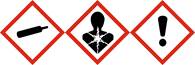
Danger
Contains gas under pressure; may explode if
heated. Causes skin irritation. Causes serious eye
irritation. May cause drowsiness or dizziness. Suspected of causing genetic defects. May
cause cancer.
Obtain special instructions before use. Do
not handle until all safety precautions have been read and understood. Avoid
breathing gas. Wash thoroughly after handling. Use only outdoors or in a
well-ventilated area. Wear protective gloves/protective clothing/eye protection/face
protection.
If on skin: Wash with plenty of water. If inhaled: Remove
person to fresh air and keep comfortable for breathing. If in eyes: Rinse
cautiously with water for several minutes. Remove contact lenses, if present
and easy to do. Continue rinsing. If exposed or concerned: Get medical
advice/attention. Call a poison center/doctor if you feel unwell. Specific treatment (see this label). If skin irritation
occurs: Get medical advice/attention. If eye irritation persists: Get medical
advice/attention. Take off contaminated clothing and wash before reuse.
Store
in a well-ventilated place. Keep container tightly
closed. Store locked up. Protect from sunlight. Store in a
well-ventilated place.
Dispose of
contents/container in accordance with local/regional/national/international
regulations.
None
known.
None.

|
Product name: 18 OZ
MR. KWIK LB 12PK
|
SDS US
|
|
Product #: SO32A Version #: 13 Issue date: 05-21-2015
|
1
/ 9
|
3. Composition/information on
ingredients
|
Mixtures
|
|
|
|
|
Chemical name
|
Common name and
synonyms
|
CAS number
|
%
|
|
|
|
|
|
|
Trichloroethylene
|
|
79-01-6
|
90 - 100
|
|
|
|
|
|
|
Carbon Dioxide
|
|
124-38-9
|
1 - 2.5
|
|
|
|
|
|
|
Other components
below reportable levels
|
|
|
0.01 - 0.1
|
*Designates
that a specific chemical identity and/or percentage of composition has been
withheld as a trade secret.
4. First-aid measures
Inhalation
Skin
contact
Eye
contact
Ingestion
Most
important symptoms/effects, acute and delayed
Indication of immediate medical attention and
special treatment needed
Remove victim to fresh air and keep at rest in a position
comfortable for breathing. Call a POISON CENTER or doctor/physician if you feel
unwell.
Wash
off with soap and water. Get medical attention if irritation develops and
persists.
Rinse
with water. Get medical attention if irritation develops and persists.
Rinse
mouth. Get medical attention if symptoms occur.
May
cause drowsiness and dizziness. Headache.
Nausea, vomiting. Severe eye irritation. Symptoms may
include stinging, tearing, redness, swelling, and blurred vision. Skin irritation. May cause redness and
pain.
Provide
general supportive measures and treat symptomatically. Keep victim under
observation. Symptoms may be delayed.
General
information IF exposed or
concerned: Get medical advice/attention. If you feel unwell, seek medical
advice
(show
the label where possible). Ensure that medical personnel are aware of the
material(s)
involved, and
take precautions to protect themselves. Show this safety data sheet to the
doctor in
attendance.
5. Fire-fighting measures
Suitable extinguishing
media
Unsuitable
extinguishing media
Specific
hazards arising from the chemical
Special protective equipment and precautions
for firefighters
Fire-fighting
equipment/instructions
Specific methods
Water
fog. Dry chemical powder. Carbon dioxide (CO2). Use fire-extinguishing media
appropriate for surrounding materials.
None
known.
Contents
under pressure.
Self-contained
breathing apparatus and full protective clothing must be worn in case of fire.
In
case of fire: Stop leak if safe to do so. Do not move cargo or vehicle if cargo
has been exposed to heat. Move containers from fire area if you can do so
without risk. Containers should be cooled with water to prevent vapor pressure
build up. For massive fire in cargo area, use unmanned hose holder or monitor
nozzles, if possible. If not, withdraw and let fire burn out.
Cool containers
exposed to flames with water until well after the fire is out.
6. Accidental release measures
Personal
precautions, protective equipment and emergency procedures
Methods and materials for containment and
cleaning up
Environmental
precautions
Keep
unnecessary personnel away. Keep people away from and upwind of spill/leak.
Keep out of low areas. Wear appropriate protective equipment and clothing
during clean-up. Avoid breathing gas. Emergency personnel need self-contained
breathing equipment. Do not touch damaged containers or spilled material unless
wearing appropriate protective clothing. Ventilate closed spaces before
entering them. Local authorities should be advised if significant spillages
cannot be contained. For personal protection, see section 8 of the SDS.
Refer to attached safety data sheets and/or instructions
for use. Eliminate all ignition sources (no smoking, flares, sparks, or flames
in immediate area). Keep combustibles (wood, paper, oil, etc.) away from
spilled material. Stop leak if you can do so without risk. Move the cylinder to
a safe and open area if the leak is irreparable. Isolate area until gas has
dispersed. Prevent product from entering drains. Following
product recovery, flush area with water. For waste disposal, see section
13 of the SDS.
Avoid release to the environment. Inform
appropriate managerial or supervisory personnel of all environmental releases.
Prevent further leakage or spillage if safe to do so. Avoid discharge into
drains, water courses or onto the ground.
|
Product name: 18 OZ
MR. KWIK LB 12PK
|
SDS US
|
|
Product #: SO32A Version
#: 13 Issue date: 05-21-2015
|
2
/ 9
|
7. Handling and storage
Precautions
for safe handling
Conditions for safe storage, including any
incompatibilities
Obtain
special instructions before use. Do not handle until all safety precautions
have been read and understood. Pressurized container: Do not pierce or burn,
even after use. Do not use if spray button is missing or defective. Do not
spray on a naked flame or any other incandescent material. Do not smoke while
using or until sprayed surface is thoroughly dry. Do not cut, weld, solder,
drill, grind, or expose containers to heat, flame, sparks, or other sources of
ignition. Ground and bond containers when transferring
material. Do not re-use empty containers. Avoid breathing gas. Avoid
contact with eyes, skin, and clothing. Avoid prolonged exposure. Use only in
well-ventilated areas. Should be handled in closed systems,
if possible. Wear appropriate personal protective equipment. Avoid
release to the environment. Observe good industrial hygiene practices.
Level
1 Aerosol.
Store locked up. Contents under
pressure. Do not expose to heat or store at temperatures above
120°F/49°C as can may burst. Do not puncture,
incinerate or crush. Do not handle or store near an open flame, heat or other
sources of ignition. Store in a well-ventilated place.
Store away from incompatible materials (see Section 10 of the
SDS).
8. Exposure controls/personal protection
|
Occupational
exposure limits
|
|
|
|
|
|
|
US.
OSHA Table Z-1 Limits for Air Contaminants (29 CFR 1910.1000)
|
|
|
|
Components
|
Type
|
|
|
Value
|
|
|
|
|
|
|
|
|
|
Carbon
Dioxide (CAS
|
PEL
|
|
|
9000
mg/m3
|
|
124-38-9)
|
|
|
|
|
|
|
|
|
|
|
5000 ppm
|
|
|
US. OSHA Table Z-2
(29 CFR 1910.1000)
|
|
|
|
|
|
Components
|
Type
|
|
|
Value
|
|
|
|
|
|
|
|
|
|
Trichloroethylene
(CAS
|
Ceiling
|
|
|
200 ppm
|
|
79-01-6)
|
|
|
|
|
|
|
|
TWA
|
|
|
100 ppm
|
|
|
US. ACGIH Threshold
Limit Values
|
|
|
|
|
|
Components
|
Type
|
|
|
Value
|
|
|
|
|
|
|
|
|
|
Carbon Dioxide (CAS
|
STEL
|
|
|
30000 ppm
|
|
124-38-9)
|
|
|
|
|
|
|
|
TWA
|
|
|
5000 ppm
|
|
|
Trichloroethylene
(CAS
|
STEL
|
|
|
25 ppm
|
|
79-01-6)
|
|
|
|
|
|
|
|
TWA
|
|
|
10 ppm
|
|
|
US. NIOSH: Pocket
Guide to Chemical Hazards
|
|
|
|
|
|
Components
|
Type
|
|
|
Value
|
|
|
|
|
|
|
|
|
|
Carbon Dioxide (CAS
|
STEL
|
|
|
54000 mg/m3
|
|
124-38-9)
|
|
|
|
|
|
|
|
|
|
|
30000 ppm
|
|
|
|
TWA
|
|
|
9000
mg/m3
|
|
|
|
|
|
|
5000 ppm
|
|
|
Trichloroethylene
(CAS
|
TWA
|
|
|
25 ppm
|
|
79-01-6)
|
|
|
|
|
|
Biological limit
values
|
|
|
|
|
|
|
ACGIH Biological
Exposure Indices
|
|
|
|
|
|
Components
|
Value
|
Determinant
|
Specimen
|
Sampling Time
|
|
|
|
|
|
|
|
|
|
Trichloroethylene
(CAS
|
15 mg/l
|
Trichloroacetic
|
Urine
|
*
|
|
79-01-6)
|
|
acid
|
|
|
|
|
|
0.5 mg/l
|
Trichloroethano
|
Blood
|
*
|
|
|
|
|
l,
without
|
|
|
|
|
|
|
hydrolysis
|
|
|
* - For sampling details,
please see the source document.
Appropriate engineering controls
Good general ventilation (typically 10 air changes per
hour) should be used. Ventilation rates should be matched to conditions. If
applicable, use process enclosures, local exhaust ventilation, or other
engineering controls to maintain airborne levels below recommended exposure
limits. If exposure limits have not been established, maintain airborne levels
to an acceptable level. Eye wash facilities and emergency shower must be
available when handling this product.
|
Product name: 18 OZ
MR. KWIK LB 12PK
|
SDS US
|
|
Product #: SO32A Version
#: 13 Issue date: 05-21-2015
|
3
/ 9
|
Individual protection
measures, such as personal protective equipment Eye/face protection Wear
safety glasses with side shields (or goggles).
Hand protection
Skin protection
Other
Skin protection
Respiratory protection
Thermal hazards
General
hygiene considerations
Wear
appropriate chemical resistant gloves.
Wear
appropriate chemical resistant clothing. Use of an impervious apron is
recommended.
If permissible
levels are exceeded use NIOSH mechanical filter / organic vapor cartridge or an
air-supplied respirator.
Wear
appropriate thermal protective clothing, when necessary.
When using do not smoke.
Always observe good personal hygiene measures, such as washing after handling
the material and before eating, drinking, and/or smoking. Routinely wash work
clothing and protective equipment to remove contaminants.
9. Physical and chemical properties
Appearance
Physical
state Gas.
Form Aerosol.
Liquefied gas.
Color Not
available.
Odor Not
available.
Odor
threshold Not available.
pH Not available.
Melting
point/freezing point Not available.
Initial boiling point
and boiling Not available.
range
Flash
point Not available.
Evaporation
rate Not available.
Flammability (solid, gas) Not available.
Upper/lower
flammability or explosive limits
Flammability limit - upper 52 % estimated
(%)
Explosive limit - lower (%) Not available.
Explosive limit - upper (%) Not available.
Vapor
pressure 55 - 75 psig @70F
estimated
Vapor
density Not available.
Relative
density Not available.
Solubility(ies)
Solubility (water) Not available.
Partition
coefficient Not available.
(n-octanol/water)
Auto-ignition
temperature Not available.
Decomposition
temperature Not available.
Viscosity Not available.
Other information
Specific gravity 1.454 estimated
10. Stability and reactivity
Reactivity
Chemical
stability
Possibility
of hazardous reactions
Conditions
to avoid
Incompatible
materials
The product is stable
and non-reactive under normal conditions of use, storage and transport.
Material
is stable under normal conditions.
Hazardous
polymerization does not occur.
Contact
with incompatible materials.
Strong
oxidizing agents.
|
Product name: 18 OZ
MR. KWIK LB 12PK
|
SDS US
|
|
Product #: SO32A Version
#: 13 Issue date: 05-21-2015
|
4
/ 9
|
Hazardous decomposition No
hazardous decomposition products are known. products
11. Toxicological information
Information
on likely routes of exposure
Ingestion Expected
to be a low ingestion hazard.
Inhalation May
cause drowsiness and dizziness. Headache. Nausea,
vomiting. Prolonged inhalation may be
harmful.
Skin contact Causes skin
irritation.
Eye contact Causes serious eye
irritation.
Symptoms related to the physical, chemical
and toxicological characteristics
May cause drowsiness and dizziness. Headache. Nausea, vomiting. Severe eye
irritation. Symptoms may include stinging, tearing, redness, swelling,
and blurred vision. Skin irritation. May cause redness and pain.
|
Information
on toxicological effects
|
|
|
Acute
toxicity
|
In high
concentrations, vapors are anesthetic and may cause headache, fatigue,
dizziness and
|
|
|
central nervous system
effects. Narcotic effects.
|
|
|
Components
|
Species
|
Test Results
|
|
|
|
|
|
Trichloroethylene
(CAS 79-01-6)
|
|
|
|
Acute
|
|
|
|
DERMAL
|
|
|
|
LD50
|
Rat
|
19031 mg/kg
|
|
INHALATION
|
|
|
|
LC50
|
Rat
|
12500 ppm, 4 Hours
|
|
|
|
1044 mg/l/4h
|
* Estimates for product may be based on
additional component data not shown.
Skin
corrosion/irritation Causes skin irritation.
Serious
eye damage/eye Causes serious eye irritation.
irritation
Respiratory or skin
sensitization
Respiratory sensitization Not available.
Skin sensitization This product is not
expected to cause skin sensitization.
Germ cell mutagenicity Hazardous by WHMIS criteria. Suspected
of causing genetic defects.
Carcinogenicity May cause cancer.
IARC Monographs. Overall Evaluation of
Carcinogenicity
Trichloroethylene (CAS
79-01-6) If <1L: Consumer
Commodity Carcinogenic to humans.
OSHA Specifically Regulated Substances (29
CFR 1910.1001-1050)
Not listed.
US. National Toxicology
Program (NTP) Report on Carcinogens
|
Trichloroethylene (CAS 79-01-6)
|
Reasonably Anticipated to be a Human Carcinogen.
|
|
Reproductive
toxicity
|
This product is not expected to cause
reproductive or developmental effects.
|
|
Specific target
organ toxicity - May cause drowsiness
and dizziness.
|
|
single exposure
|
|
|
|
Specific target
organ toxicity -
|
Not classified.
|
|
|
repeated exposure
|
|
|
|
Aspiration hazard
|
Not likely, due to the form of the
product.
|
|
Chronic effects
|
Prolonged inhalation may be harmful.
Prolonged exposure may cause chronic effects.
|
12. Ecological information
|
Ecotoxicity
|
Harmful to aquatic
life with long lasting effects.
|
|
|
|
Components
|
|
Species
|
Test Results
|
|
|
|
|
|
|
|
Trichloroethylene
(CAS 79-01-6)
|
|
|
|
|
Aquatic
|
|
|
|
|
|
Crustacea
|
EC50
|
Daphnia
|
2.2 mg/L, 48 Hours
|
|
|
|
|
|
Product name: 18 OZ MR. KWIK LB 12PK
|
|
SDS US
|
|
Product #: SO32A
|
Version #: 13 Issue date: 05-21-2015
|
5
/ 9
|
|
Components
|
|
Species
|
Test Results
|
|
|
|
|
|
|
Fish
|
LC50
|
Fish
|
40.8933, 96 Hours
|
|
|
|
Flagfish (Jordanella floridae)
|
3.1 mg/l, 96 hours
|
* Estimates for product may
be based on additional component data not shown.
Persistence
and degradability No
data is available on the degradability of this product.
Bioaccumulative
potential No data available.
Partition coefficient n-octanol / water (log Kow)
Trichloroethylene 2.61
Mobility in soil No data available.
Other
adverse effects No other adverse
environmental effects (e.g. ozone depletion, photochemical ozone creation
potential,
endocrine disruption, global warming potential) are expected from this
component.
13. Disposal considerations
Disposal
instructions
Local
disposal regulations Hazardous waste code
Consult authorities before disposal. Contents
under pressure. Do not puncture, incinerate or crush. Do not allow this
material to drain into sewers/water supplies. Do not contaminate ponds,
waterways or ditches with chemical or used container. Dispose of
contents/container in accordance with local/regional/national/international
regulations.
Dispose
in accordance with all applicable regulations.
The
waste code should be assigned in discussion between the user, the producer and
the waste disposal company.
US RCRA Hazardous
Waste U List: Reference
|
Trichloroethylene
(CAS 79-01-6)
|
U228
|
Waste from residues / unused products
Dispose
of in accordance with local regulations. Empty containers or liners may retain
some product residues. This material and its container must be disposed of in a
safe manner (see: Disposal instructions).
Contaminated
packaging Empty containers should be taken to an
approved waste handling site for recycling or disposal.
Since emptied containers may
retain product residue, follow label warnings even after container is
emptied. Do
not re-use empty containers.
14. Transport information
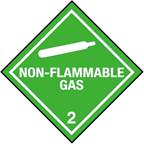
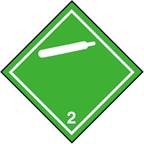
UN proper shipping name Aerosols, non-flammable, (each not exceeding
1 L capacity)
Transport hazard class(es)
Class
Subsidiary risk Label(s)
Packing group
Special precautions for user Packaging
exceptions Packaging non bulk Packaging bulk
2.2
-
2.2
Not applicable.
Read safety instructions, SDS and emergency procedures before
handling. 306
None
None
This
product meets the exception requirements of section 173.306 as a limited
quantity and may be shipped as a limited quantity. Until 12/31/2020, the
"Consumer Commodity - ORM-D" marking may still be used in place of
the new limited quantity diamond mark for packages of UN 1950 Aerosols. Limited
quantities require the limited quantity diamond mark on cartons after 12/31/20
and may be used now in place of the "Consumer Commodity ORM-D"
marking and both may be displayed concurrently.
IATA
UN
number UN1950
UN proper shipping name Aerosols, non-flammable
Transport hazard class(es)
Class 2.2
Subsidiary risk -
Label(s) 2.2
Packing
group Not
applicable.
Environmental hazards No.
ERG Code 2L
Special precautions for user Read
safety instructions, SDS and emergency procedures before handling.
Product name: 18 OZ
MR. KWIK LB 12PK
Product #: SO32A Version
#: 13 Issue
date: 05-21-2015
SDS US
6 / 9
Other
information
Passenger
and cargo aircraft
Cargo aircraft only Packaging Exceptions
IMDG
UN number
UN
proper shipping name Transport hazard class(es)
Class
Subsidiary risk Label(s)
Packing
group Environmental hazards
Marine pollutant EmS
Special
precautions for user Packaging Exceptions
Transport in bulk according to Annex II of
MARPOL 73/78 and the IBC Code
DOT
IATA; IMDG
Allowed.
Allowed.
LTD
QTY
UN1950
AEROSOLS
2.2
-
2.2
Not
applicable.
No.
Not
available.
Read safety instructions, SDS and emergency procedures
before handling. LTD QTY
Not
applicable.
15. Regulatory information
US federal regulations This
product is a "Hazardous Chemical" as defined by the OSHA Hazard
Communication
Standard,
29 CFR 1910.1200.
All components are on the
U.S. EPA TSCA Inventory List.
TSCA Section 12(b)
Export Notification (40 CFR 707, Subpt. D)
Not regulated.
CERCLA Hazardous Substance List (40 CFR
302.4)
Trichloroethylene (CAS
79-01-6) Listed.
SARA 304 Emergency release notification
Not regulated.
OSHA Specifically Regulated
Substances (29 CFR 1910.1001-1050)
Not listed.
|
Product name: 18 OZ
MR. KWIK LB 12PK
|
SDS US
|
|
Product #: SO32A Version
#: 13 Issue date: 05-21-2015
|
7
/ 9
|
Superfund Amendments and Reauthorization Act of 1986
(SARA)
Hazard categories Immediate Hazard - Yes
Delayed Hazard - Yes
Fire Hazard - No
Pressure Hazard - Yes
Reactivity Hazard - No
SARA 302 Extremely hazardous
substance
|
Not listed.
|
|
|
|
SARA
311/312 Hazardous
|
No
|
|
|
chemical
|
|
|
|
SARA
313 (TRI reporting)
|
|
|
|
Chemical name
|
CAS number
|
% by wt.
|
|
|
|
|
|
Trichloroethylene
|
79-01-6
|
90 - 100
|
Other
federal regulations
Clean Air Act (CAA) Section
112 Hazardous Air Pollutants (HAPs) List
Trichloroethylene (CAS
79-01-6)
Clean Air Act (CAA) Section
112(r) Accidental Release Prevention (40 CFR 68.130)
Not regulated.
Safe
Drinking Water Act Not
regulated.
(SDWA)
US state
regulations
US. Massachusetts RTK -
Substance List
Carbon Dioxide (CAS 124-38-9)
Trichloroethylene (CAS 79-01-6)
US. New Jersey Worker and
Community Right-to-Know Act
Carbon Dioxide (CAS 124-38-9)
Trichloroethylene (CAS 79-01-6)
US. Pennsylvania Worker
and Community Right-to-Know Law
Carbon Dioxide (CAS 124-38-9)
Trichloroethylene (CAS 79-01-6)
US. Rhode Island RTK
Trichloroethylene (CAS 79-01-6)
US. California
Proposition 65
WARNING: This product contains a chemical
known to the State of California to cause cancer.
US - California Proposition 65 - CRT: Listed
date/Carcinogenic substance
Trichloroethylene (CAS
79-01-6) Listed: April 1, 1988
|
International
Inventories
|
|
|
|
Country(s) or region
|
Inventory name
|
On
inventory (yes/no)*
|
|
Australia
|
Australian Inventory of Chemical
Substances (AICS)
|
Yes
|
|
Canada
|
Domestic Substances List (DSL)
|
Yes
|
|
Canada
|
Non-Domestic Substances List (NDSL)
|
No
|
|
China
|
Inventory of Existing Chemical
Substances in China (IECSC)
|
Yes
|
|
Europe
|
European Inventory of Existing
Commercial Chemical
|
Yes
|
|
|
Substances (EINECS)
|
|
|
Europe
|
European List of Notified Chemical
Substances (ELINCS)
|
No
|
|
Japan
|
Inventory of Existing and New
Chemical Substances (ENCS)
|
Yes
|
|
Korea
|
Existing Chemicals List (ECL)
|
Yes
|
|
New Zealand
|
New Zealand Inventory
|
Yes
|
|
Philippines
|
Philippine Inventory of Chemicals and
Chemical Substances
|
Yes
|
|
|
(PICCS)
|
|
|
United States &
Puerto Rico
|
Toxic Substances
Control Act (TSCA) Inventory
|
Yes
|
*A "Yes" indicates
that all components of this product comply with the inventory requirements
administered by the governing country(s)
A
"No" indicates that one or more components of the product are not
listed or exempt from listing on the inventory administered by the governing
country(s).
|
Product name: 18 OZ
MR. KWIK LB 12PK
|
SDS US
|
|
Product #: SO32A Version
#: 13 Issue date: 05-21-2015
|
8
/ 9
|
16. Other
information, including date of preparation or last revision
Issue
date Version #
Disclaimer
05-21-2015
13
The information provided in this Safety Data Sheet is
correct to the best of our knowledge, information and belief at the date of its
publication. The information given is designed only as a
guidance for safe handling, use, processing, storage, transportation,
disposal and release and is not to be considered a warranty or quality
specification. The information relates only to the specific material designated
and may not be valid for such material used in combination with any other
materials or in any process, unless specified in the text.
|
Product name: 18 OZ
MR. KWIK LB 12PK
|
SDS US
|
|
Product #: SO32A Version
#: 13 Issue date: 05-21-2015
|
9
/ 9
|